
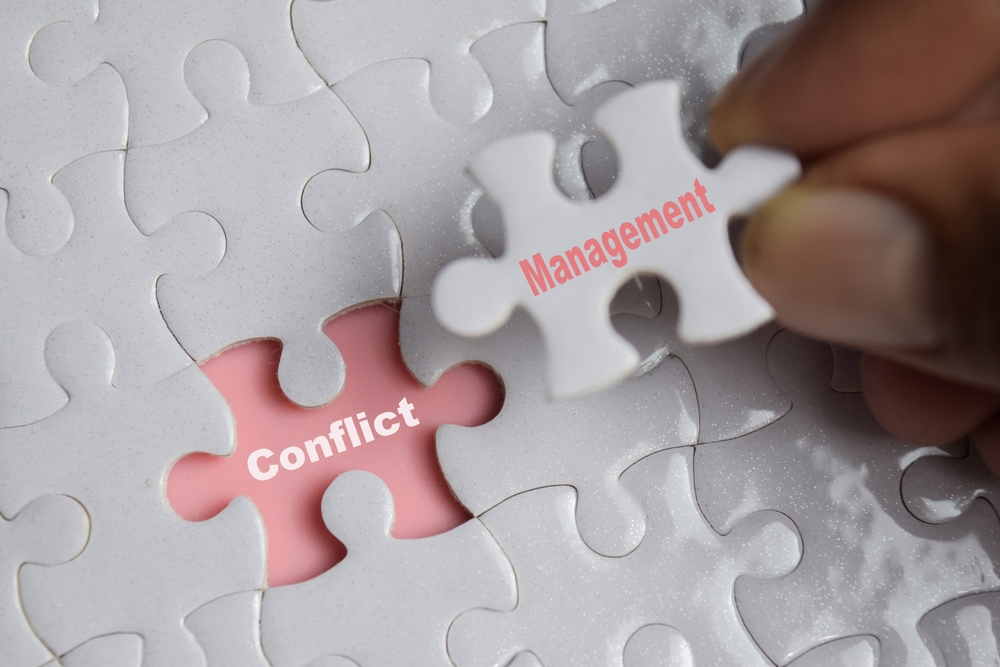
Introduction to Conflict Resolution
Disagreements and differences are a natural part of any interaction, but how we approach these situations can make a significant impact. Conflict resolution involves identifying the root causes of an issue and working collaboratively to address them. It’s not just about settling disputes but about fostering understanding and ensuring that everyone involved feels valued.
In any conflict, emotions can run high, and misunderstandings can escalate quickly. Recognizing the importance of managing these dynamics is a critical first step. By approaching conflicts with patience and a willingness to engage, you create an environment where discussions can be productive rather than confrontational.
It’s also essential to acknowledge that not all conflicts are created equal. Some may stem from simple miscommunication, while others might arise from deeply ingrained differences. Understanding the nature and scope of a conflict helps determine the best approach to address it effectively.
A proactive mindset can make all the difference. Rather than avoiding or ignoring conflicts, addressing them early prevents small issues from growing into larger problems. Having tools and strategies in place ensures you can navigate these situations with confidence, leading to outcomes that respect everyone’s needs.
Communication Skills
Strong communication is essential for addressing disputes effectively. One fundamental aspect of communication is active listening. This means giving your full attention to the speaker, ensuring you comprehend their points, and responding thoughtfully. When individuals feel genuinely heard, they are more likely to engage constructively in the discussion.
Another important technique is using respectful and non-confrontational language. Choosing words carefully can help de-escalate emotionally charged situations. For instance, framing concerns with “I” statements, such as “I felt frustrated when the plan changed unexpectedly,” conveys emotions without assigning blame. This approach encourages collaboration rather than defensiveness.
Non-verbal communication also plays a significant role. Body language, facial expressions, and tone of voice can either reinforce your message or create misunderstandings. Maintaining an open posture, making eye contact, and using a calm tone can demonstrate that you are open to dialogue and willing to work toward a solution.
Clarity is another critical element of communication. Articulating your thoughts in a straightforward manner reduces the chances of confusion. Avoid overly complex explanations or vague statements that might leave room for misinterpretation. Encouraging the other party to clarify their thoughts as well ensures that both sides are on the same page.
Additionally, timing matters in communication. Addressing issues when emotions have settled and both parties can approach the conversation calmly often leads to better outcomes. Picking an appropriate time and setting for these discussions demonstrates consideration and increases the likelihood of resolving the issue effectively.
Understanding Different Perspectives
To better understand where someone else is coming from, it’s helpful to approach the situation with curiosity rather than judgment. People’s views are shaped by their unique experiences, beliefs, and values, which can influence how they interpret a situation. By showing a genuine interest in their point of view, you can uncover underlying concerns or motivations that may not be immediately apparent.
One effective way to encourage open dialogue is to ask thoughtful, open-ended questions. These questions allow the other person to express themselves freely without feeling constrained. Instead of focusing solely on your own perspective, take time to truly listen to their explanations and reflect on what they are sharing.
Paraphrasing their thoughts and seeking clarification is another useful approach. For instance, you might say, “It sounds like you’re feeling upset because of how this decision affects your work. Is that correct?” This helps avoid misunderstandings and demonstrates that you value their input.
Non-verbal cues are also important during these conversations. Maintaining a calm and attentive demeanor can create a supportive atmosphere, making it easier for both parties to communicate openly. Being mindful of how your reactions might influence the other person’s willingness to share is equally critical.
Ultimately, exploring different perspectives fosters a deeper understanding of the factors at play in a conflict, paving the way for collaborative problem-solving.
Negotiation Strategies
When engaging in negotiations, prioritizing a collaborative approach helps ensure that all parties feel involved in finding a resolution. Begin by establishing a respectful and open atmosphere where ideas and concerns can be shared freely. This creates a foundation for productive discussions and minimizes the potential for misunderstandings.
It’s helpful to focus on specific issues rather than personal differences, as this keeps the discussion objective and solution-oriented. Clearly define the problem at hand and identify areas where flexibility is possible. By doing so, you can create a shared understanding of the situation and work together to identify realistic solutions.
Throughout the process, maintaining patience and adaptability is key. Conflicts often involve a range of emotions, so being willing to revisit and adjust ideas as necessary can prevent the conversation from stalling. Additionally, prioritizing transparency about your needs and limitations fosters trust and encourages the other party to reciprocate with the same level of openness.
Another effective strategy is to explore options that provide mutual benefits. Brainstorming together and generating multiple alternatives can lead to creative solutions that address the needs of everyone involved. It’s also important to remain mindful of non-verbal cues and tone, as they can significantly influence the direction of the conversation.
The willingness to approach negotiations with a problem-solving mindset lays the groundwork for positive outcomes and strengthens collaboration.
Mediation and Third-Party Assistance
When conflicts become particularly challenging or emotionally charged, seeking help from a neutral third party can provide clarity and structure. A mediator’s role is to create a space where both parties feel comfortable sharing their concerns and working toward a solution. This approach often helps reduce tension and keeps discussions focused on resolving the issue rather than fueling further disagreements.
Mediation encourages active participation from everyone involved, ensuring that each perspective is considered without bias. The mediator facilitates dialogue by asking thoughtful questions, clarifying points of confusion, and guiding participants toward mutual understanding. This process can uncover potential solutions that might not have been evident during direct discussions.
One key advantage of mediation is its ability to address situations where communication has broken down entirely. By introducing an impartial facilitator, parties are better equipped to move past emotional barriers and concentrate on practical solutions. Mediation can also be tailored to suit the needs of specific conflicts, making it a flexible option for addressing various challenges.
Engaging a skilled third party may be especially helpful in disputes involving power imbalances, as the mediator works to ensure that all voices are heard equally. While the parties retain control over the outcome, the structured framework provided by a neutral facilitator helps maintain focus and progress, leading to constructive discussions and agreements that are more likely to be upheld.
Developing a Resolution Plan
Establishing a clear plan is vital to turning agreed-upon solutions into actionable steps. Begin by defining the specific tasks each party will undertake and setting realistic deadlines to ensure progress remains on track. Clearly outlining these responsibilities helps eliminate ambiguity and ensures everyone understands their role in the process.
Consider breaking larger tasks into smaller, manageable actions to make implementation more achievable. This approach allows for steady progress while reducing the likelihood of feeling overwhelmed. Assigning accountability for each step ensures that all parties remain committed to fulfilling their responsibilities.
Documentation can also play an important role in this phase. Writing down the agreed-upon steps and expectations creates a reference point for everyone involved. This record can help minimize misunderstandings and serve as a reminder of the commitments made during discussions.
Regularly reviewing the progress of the plan ensures that it remains relevant and effective. Scheduling check-ins allows participants to share updates, address any challenges, and make adjustments as needed. These reviews also provide an opportunity to evaluate whether the resolution is producing the intended results and if further refinements are necessary.
Remaining adaptable throughout this process is key, as unforeseen obstacles may arise. Flexibility allows the plan to evolve, ensuring it continues to address the needs of everyone involved while maintaining momentum toward resolution.
Conclusion and Benefits of Effective Conflict Resolution
Effective conflict resolution fosters meaningful connections and promotes mutual respect. When conflicts are addressed with thoughtful strategies, they can lead to better understanding and cooperation among individuals. These techniques encourage open communication and collaboration, paving the way for innovative solutions and strengthened relationships.
Resolving disputes constructively also reduces tension and creates an environment where everyone feels heard and valued. By addressing issues proactively, individuals can prevent recurring problems and build trust within their personal and professional interactions. Moreover, the ability to manage conflicts equips people with tools to handle future challenges more confidently and effectively.
Another key benefit of mastering conflict resolution is its positive impact on mental and emotional well-being. Reducing the stress associated with unresolved disagreements allows for healthier, more productive interactions. This contributes to a more cohesive atmosphere, whether in the workplace or at home.
By viewing conflicts as opportunities to learn and grow, individuals can transform potentially negative situations into moments of progress and understanding. The skills gained from resolving conflicts not only enhance current relationships but also lay the foundation for healthier, more constructive interactions in the future.
Conflict Resolution Techniques