
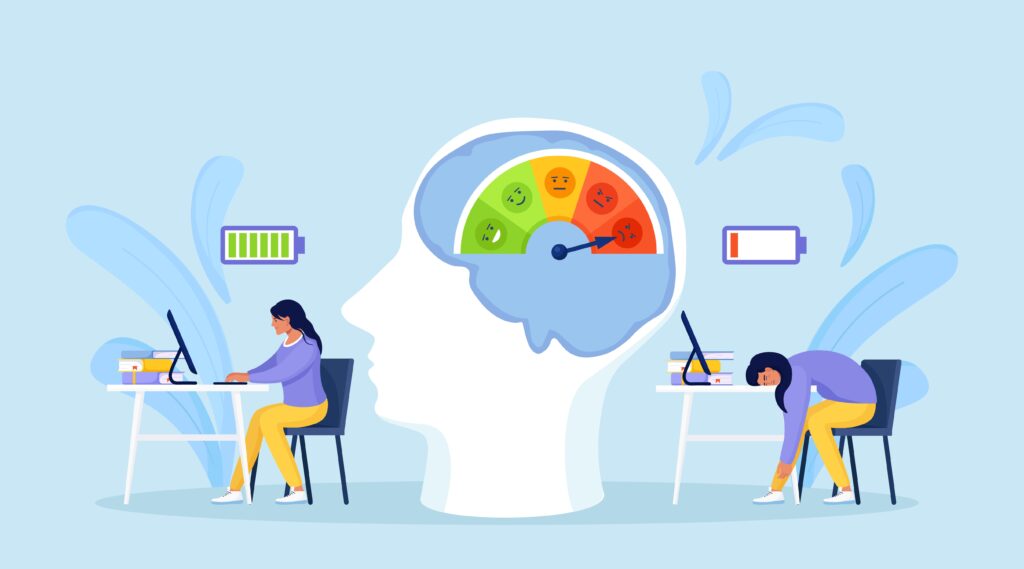
Understanding Mental Health in the Workplace
In today’s workplace, mental health is deeply tied to how employees function and thrive. It affects everything from how people handle stress and interact with coworkers to their ability to focus and perform daily tasks. When employees face challenges related to mental health, it can influence not only their work output but also their overall experience in the workplace. Stress, anxiety, and depression are some of the more common issues employees encounter, and these can manifest in ways that impact team dynamics, decision-making, and creativity.
Understanding mental health involves recognizing its many dimensions. It’s not limited to severe conditions—it also includes day-to-day struggles that may accumulate over time. For example, prolonged stress from unrealistic workloads or poor communication can lead to burnout, leaving employees disengaged and less productive. Many people may not even realize the toll that untreated mental health issues take until it starts to interfere with their ability to manage personal and professional responsibilities. This underscores the importance of creating spaces where employees feel encouraged to address their concerns before they escalate.
Workplaces also play a significant role in either alleviating or exacerbating mental health challenges. Factors such as long hours, unclear expectations, and a lack of acknowledgment for hard work can worsen mental health conditions. On the other hand, supportive leadership, constructive feedback, and fostering an inclusive environment can contribute to improved well-being. Recognizing these dynamics helps businesses pinpoint areas where change is needed.
Another crucial aspect is acknowledging that mental health is unique to each individual. What helps one employee might not work for another, and as such, employers must adopt flexible approaches to accommodate diverse needs. Sensitivity to cultural, generational, and personal differences ensures that mental health initiatives are more inclusive and effective. Tailoring solutions allows employees to feel seen and supported in ways that resonate with their personal experiences.
The Shift from Perk to Priority
For years, mental health in the workplace was treated as an added benefit, something offered only when resources allowed. Today, the conversation has shifted significantly. More companies are beginning to view mental well-being as a necessary component of their operational framework, closely tied to overall business outcomes. This perspective acknowledges that when employees are mentally healthy, they are better equipped to perform, collaborate, and innovate.
Rather than addressing mental health reactively, forward-thinking organizations are proactively embedding it into their core strategies. This approach not only reflects a commitment to employee care but also aligns with the growing awareness that mental health challenges are pervasive and affect individuals across all levels of the workforce. Companies are reexamining their policies to ensure they are designed to mitigate stressors that often arise in high-pressure work environments. Whether through redesigning workloads, improving communication channels, or offering greater autonomy, these efforts reflect a more intentional shift toward fostering sustainable productivity.
The integration of mental health into the foundation of business practices also signals a broader cultural change within organizations. Leadership plays a vital role in this evolution by modeling supportive behaviors and ensuring mental health is not sidelined as a secondary concern. Leadership training and awareness initiatives help create an environment where mental health is seen as a shared responsibility, rather than an individual struggle.
Furthermore, the shift requires a redefinition of what it means to support employees. Traditional benefits packages, while still valuable, are no longer sufficient on their own. Instead, businesses are incorporating holistic approaches that address mental, physical, and emotional well-being in tandem. Investments in mental health programs—such as access to therapy, stress management resources, and proactive wellness check-ins—demonstrate this deeper understanding of what employees need to succeed.
Strategies for Integrating Well-being into Business Infrastructure
Building mental health into the fabric of a workplace requires purposeful action and thoughtful planning. One effective strategy is ensuring employees have access to resources that address mental well-being on multiple levels. Companies can offer programs such as mindfulness workshops, resilience training, or onsite and virtual counseling services to provide immediate, practical support. These resources demonstrate a commitment to addressing both the short-term and long-term needs of employees.
Another important step is promoting work flexibility to help employees manage both their professional and personal responsibilities. Flexible scheduling, remote work options, and offering breaks when needed can reduce stress and prevent burnout. Customizable approaches to workload management allow individuals to prioritize tasks in a way that aligns with their capabilities and energy levels.
Clear communication is another cornerstone of effective integration. Regular check-ins between managers and employees help foster trust and create an opportunity for open conversations about workload or stressors. Providing leaders with the training to navigate sensitive discussions ensures these exchanges are constructive and supportive. Structured communication systems, such as feedback platforms or anonymous suggestion tools, further encourage employees to voice their needs without fear of judgment.
In addition, physical spaces in the workplace can be optimized to support mental health. Creating quiet zones, relaxation rooms, or areas where employees can step away from their desks can encourage moments of reprieve during the day. Even small environmental adjustments, such as incorporating natural light or greenery, can have a positive effect on mood and focus.
Developing peer support systems is another strategy that strengthens workplace well-being. Encouraging employees to connect with colleagues through mentoring programs, affinity groups, or team-building activities can create a sense of community and reduce feelings of isolation. These networks can also serve as informal sources of encouragement and understanding when employees face challenges.
Ultimately, integrating mental well-being into business infrastructure requires a blend of structural, cultural, and individual solutions that address a variety of needs across the workforce.
Measuring the Impact
To determine the success of mental health initiatives, businesses must rely on a combination of qualitative and quantitative tools. Employee feedback is invaluable in this process, offering direct insights into how well programs align with their needs. Anonymous surveys, for instance, can encourage honest responses about workplace stressors and the perceived effectiveness of available resources. These tools not only highlight what’s working but also uncover areas that require adjustment or expansion.
Beyond gathering employee perspectives, analyzing workplace metrics provides a clearer picture of how mental health initiatives influence overall operations. Reduced absenteeism can signal that employees are managing stress more effectively, while a drop in turnover rates may indicate higher satisfaction and loyalty. Tracking productivity metrics, such as task completion rates or team output, can also offer evidence of improved focus and engagement. When paired with data on employee retention, these metrics create a fuller understanding of how well-being efforts support workforce stability.
Additionally, reviewing participation rates in wellness programs can reveal how accessible and appealing these resources are. A low participation rate may point to the need for better communication about the programs or adjustments to make them more relevant to employee needs. Tracking the usage of specific services, such as counseling or mindfulness sessions, can also help identify which initiatives resonate most with staff.
Managers play an important role in collecting observational data as well. By monitoring behavioral changes, such as increased collaboration or more proactive communication, they can identify subtle improvements in team dynamics that may result from enhanced mental health support. This observational input complements numerical data, offering a richer view of workplace well-being.
Finally, leveraging third-party assessments or benchmarking against industry standards can provide valuable context for evaluating progress. Comparing results to similar organizations helps businesses determine where they stand and identify opportunities to refine their approach further.
Overcoming Barriers to Implementation
Addressing mental health in the workplace requires acknowledging and tackling several common challenges. One significant hurdle is the persistent stigma surrounding mental health. Employees may hesitate to seek support or share their struggles due to fears of being judged or facing negative repercussions. Building awareness and fostering an environment of psychological safety can help diminish these fears. Leadership plays a critical role in normalizing discussions about mental health by modeling openness and advocating for supportive practices.
Resource limitations are another common obstacle, particularly for smaller organizations. However, meaningful change doesn’t always require significant investments. Businesses can begin by introducing cost-effective measures, such as mental health awareness campaigns or access to free or low-cost digital resources. Collaborations with external providers or community organizations can also expand access to services without overwhelming budgets.
Another barrier is the lack of clarity about how to design and implement effective mental health strategies. Many companies struggle to determine where to start or how to ensure their efforts address employees’ actual needs. Conducting assessments, such as surveys or focus groups, can help businesses identify specific stressors and gaps in support. Tailoring solutions based on these insights ensures initiatives are targeted and relevant.
Finally, leadership buy-in is essential for success but is sometimes difficult to secure. Decision-makers may underestimate the impact of mental health on productivity or view it as a secondary issue. Presenting clear evidence, such as data linking mental health to reduced absenteeism and improved performance, can strengthen the case for prioritization. Additionally, involving leadership in planning and training processes encourages greater accountability and alignment with organizational goals.
Overcoming these challenges requires persistence and a willingness to adapt. By starting small, involving all levels of the organization, and focusing on continuous improvement, businesses can make steady progress toward integrating mental health into their culture and operations.